- Creative solutions alongside pacificspin-ca.ca enhance business performance today
- Enhancing Operational Efficiency Through Strategic Consulting
- The Role of Process Automation
- Leveraging Data Analytics for Informed Decision-Making
- Building a Data-Driven Culture
- The Importance of Digital Marketing Strategies
- SEO Best Practices
- Enhancing Customer Experience for Loyalty and Growth
- Navigating Regulatory Compliance and Risk Management
Creative solutions alongside pacificspin-ca.ca enhance business performance today
In today’s dynamic business landscape, organizations are constantly seeking innovative solutions to enhance performance and gain a competitive edge. A crucial component of this success often lies in strategic partnerships and access to specialized expertise. pacificspin-ca.ca offers a compelling resource for businesses looking to leverage cutting-edge strategies and navigate the complexities of modern markets. The firm's commitment to delivering tailored solutions and a client-centric approach positions it as a valuable asset for companies aiming to achieve sustainable growth.
The modern business environment demands adaptability and a willingness to embrace change. Companies that can quickly respond to market shifts and capitalize on emerging opportunities are best positioned for long-term success. This requires not only a robust internal framework but also a network of reliable partners who can provide specialized skills and insights. Understanding the interconnectedness of various business functions, from marketing and sales to operations and finance, is paramount. Successful organizations prioritize collaboration and knowledge sharing, fostering a culture of continuous improvement and innovation.
Enhancing Operational Efficiency Through Strategic Consulting
Operational efficiency is a cornerstone of profitability and sustainable growth for any organization. A streamlined operational structure not only reduces costs but also enhances the customer experience and improves employee morale. Strategic consulting, such as the services offered by firms akin to pacificspin-ca.ca, plays a vital role in identifying areas for improvement and implementing effective solutions. This often involves a thorough assessment of existing processes, the identification of bottlenecks, and the development of customized strategies to optimize workflow. The focus isn’t just on cutting costs, but on maximizing value creation at every stage of the value chain. Investing in operational efficiency is an investment in the future of the company.
The Role of Process Automation
Process automation is a key driver of operational efficiency in the modern business world. By automating repetitive tasks, organizations can free up valuable employee time to focus on more strategic initiatives. This not only boosts productivity but also reduces the risk of human error. Technologies such as Robotic Process Automation (RPA) and Artificial Intelligence (AI) are increasingly being used to automate complex processes, leading to significant cost savings and improved accuracy. Successfully implementing automation initiatives requires careful planning and a clear understanding of the organization’s needs. It’s not about replacing people with machines, but about empowering people to do their jobs more effectively and efficiently.
| Process | Automation Potential | Estimated Cost Savings | Implementation Complexity |
|---|---|---|---|
| Invoice Processing | High | 15-25% | Medium |
| Customer Onboarding | Medium | 10-15% | Low |
| Data Entry | High | 20-30% | Low |
| Report Generation | Medium | 5-10% | Medium |
Analyzing the potential for automation yields quantifiable benefits. Companies that proactively invest in technologies streamlining their processes are far better equipped to compete in a rapidly evolving marketplace. It’s vital to note that successful implementation isn’t just about the technology itself; it’s also about change management and ensuring that employees are properly trained and supported.
Leveraging Data Analytics for Informed Decision-Making
In today’s data-rich environment, the ability to collect, analyze, and interpret data is crucial for making informed business decisions. Data analytics can provide valuable insights into customer behavior, market trends, and operational performance, enabling organizations to identify opportunities and mitigate risks. Companies that effectively leverage data analytics are better positioned to understand their customers’ needs, personalize their offerings, and optimize their marketing campaigns. The focus should be on turning raw data into actionable intelligence that drives tangible results. Data driven decisions are more reliable and less subject to personal bias.
Building a Data-Driven Culture
Creating a data-driven culture requires a commitment from leadership and a willingness to invest in the necessary tools and training. It’s not enough to simply collect data; organizations need to empower employees to analyze data and use it to inform their decisions. This requires providing access to data visualization tools, offering training on data analysis techniques, and fostering a culture of experimentation and learning. A data-driven culture promotes transparency, accountability, and continuous improvement. When decisions are based on data, the chances of success are significantly increased.
- Improved Customer Segmentation
- Enhanced Marketing ROI
- Optimized Pricing Strategies
- Reduced Operational Costs
The benefits of a data-driven culture are manifold and can impact all areas of the business. Successful implementation relies on readily accessible, clean data and a workforce capable of interpreting it effectively. This holistic approach enhances critical thinking and problem-solving capabilities within the organization.
The Importance of Digital Marketing Strategies
In the digital age, a strong online presence is essential for reaching and engaging with target audiences. Digital marketing strategies encompass a wide range of tactics, including search engine optimization (SEO), social media marketing, content marketing, and pay-per-click (PPC) advertising. Effective digital marketing requires a deep understanding of customer behavior, a commitment to creating high-quality content, and a willingness to experiment with different channels and tactics. A well-executed digital marketing strategy can significantly increase brand awareness, generate leads, and drive sales. Keeping abreast of the latest trends and algorithm updates is vital for maintaining a competitive edge.
SEO Best Practices
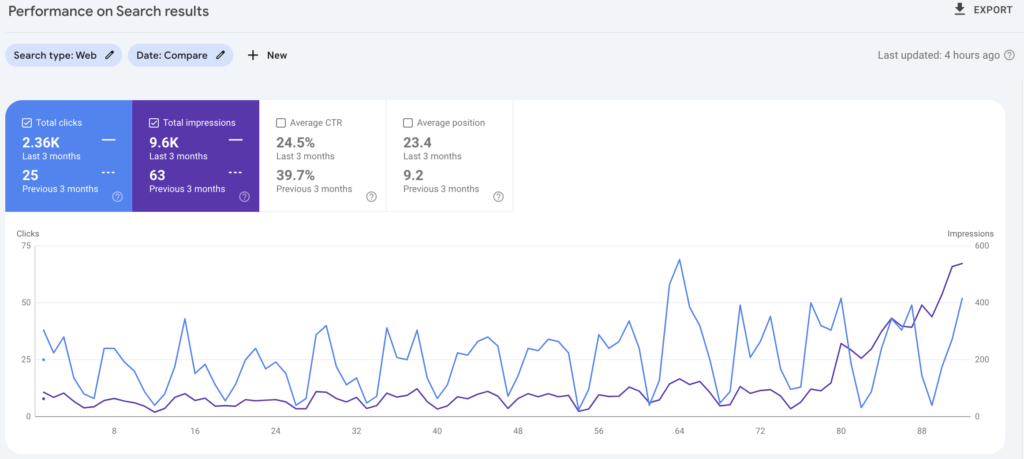
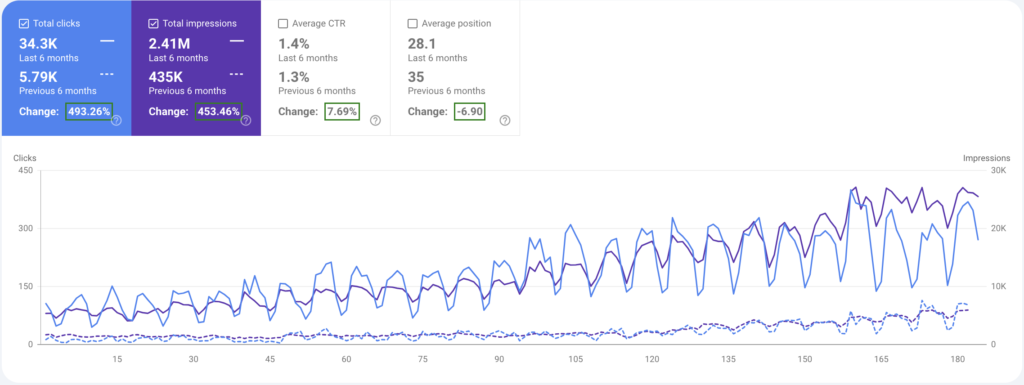
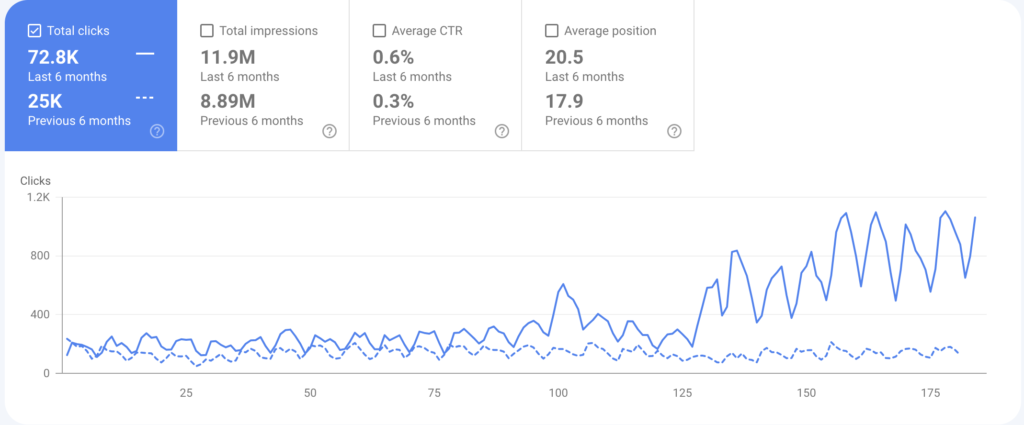
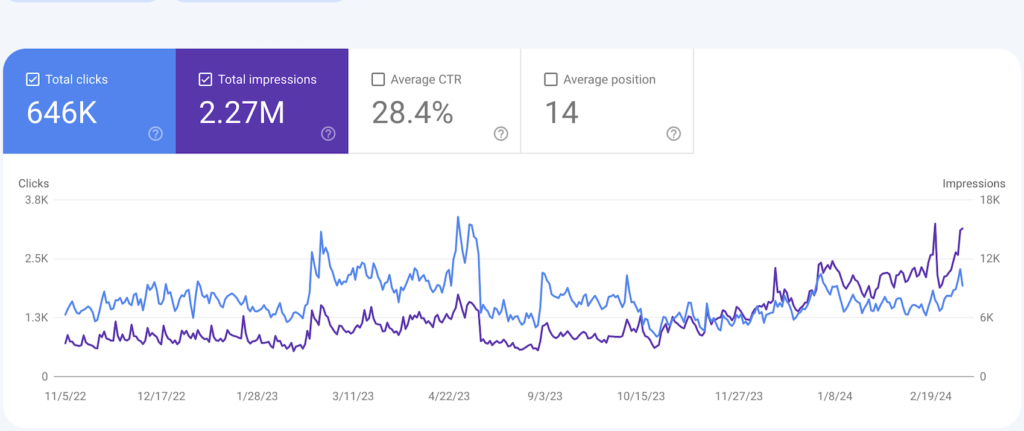
Search engine optimization (SEO) is the process of optimizing a website to rank higher in search engine results pages (SERPs). This involves a variety of techniques, including keyword research, on-page optimization, off-page optimization, and technical SEO. On-page optimization involves optimizing the content and structure of a website to make it more relevant to search engines. Off-page optimization involves building backlinks from other high-quality websites. Technical SEO involves ensuring that a website is crawlable and indexable by search engines. Robust SEO strategies dramatically increase organic traffic and brand visibility. Many firms, like those partnered with pacificspin-ca.ca, specialize in these services.
- Conduct thorough keyword research.
- Optimize website content for relevant keywords.
- Build high-quality backlinks.
- Monitor website traffic and rankings.
Following these steps, combined with continuous analysis, allows for ongoing adaptation to the ever-changing digital landscape. Ignoring SEO best practices entails forfeiting valuable organic traffic and potentially ceding market share to competitors who prioritize it.
Enhancing Customer Experience for Loyalty and Growth
Customer experience (CX) is the overall perception that customers have of a company. It encompasses every interaction a customer has with the company, from the initial awareness stage to the post-purchase support stage. Providing a positive customer experience is crucial for building loyalty, driving repeat business, and generating positive word-of-mouth referrals. Organizations that prioritize CX are more likely to retain customers, attract new customers, and achieve sustainable growth. A customer-centric approach must permeate every aspect of the business, from product development to customer service.
Investing in customer relationship management (CRM) systems and employing feedback mechanisms are vital. Analyzing customer data, understanding their pain points, and proactively addressing their needs foster a sense of value and build lasting relationships. Exceptional customer experiences translate into brand advocates who actively promote the business.
Navigating Regulatory Compliance and Risk Management
In today’s complex regulatory environment, businesses must prioritize compliance and risk management. Failure to comply with relevant regulations can result in significant fines, legal liabilities, and reputational damage. Effective risk management involves identifying potential risks, assessing their likelihood and impact, and implementing appropriate mitigation strategies. Companies need to stay abreast of changing regulations and ensure that their internal policies and procedures are up to date. Engaging with expert consultants, such as resources available through connections to pacificspin-ca.ca, can provide valuable guidance and support in navigating the complexities of regulatory compliance. Proactive risk management is not just about avoiding negative consequences; it’s also about creating a more resilient and sustainable business.
A comprehensive understanding of industry-specific regulations, coupled with robust internal controls and ongoing monitoring, is essential for minimizing risk. Investing in training and education for employees can also help foster a culture of compliance and accountability. Prioritizing regulatory compliance demonstrates a commitment to ethical business practices and builds trust with stakeholders.