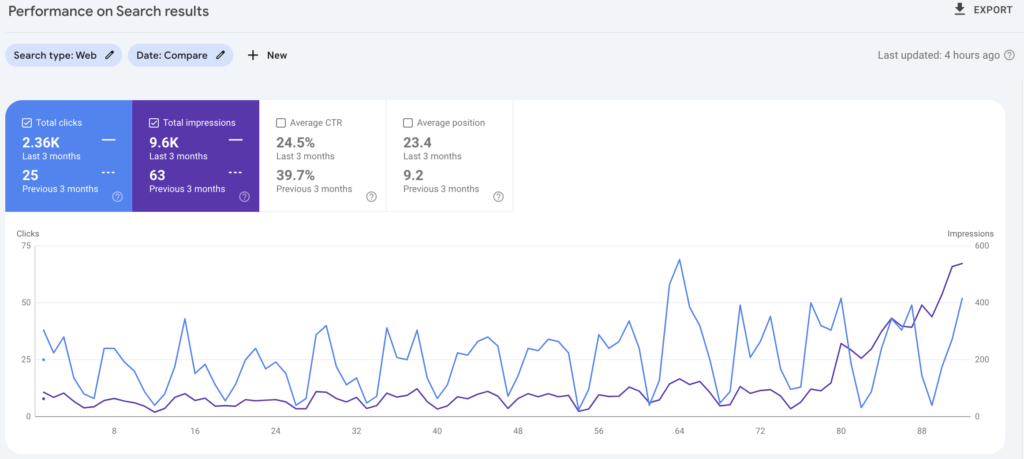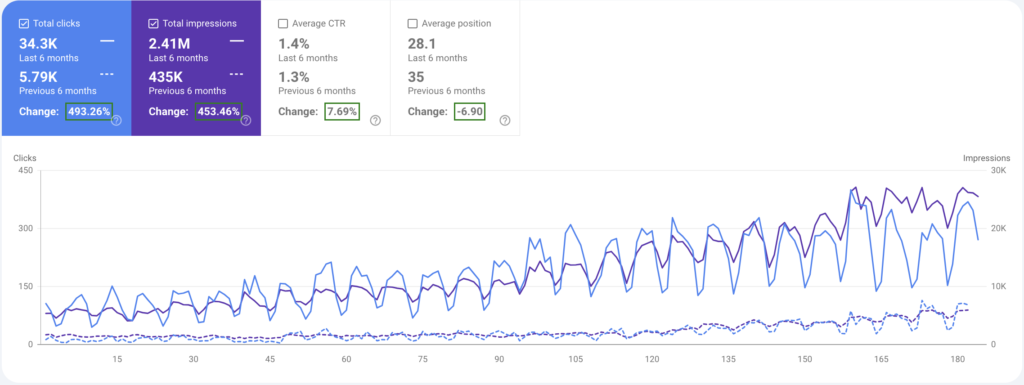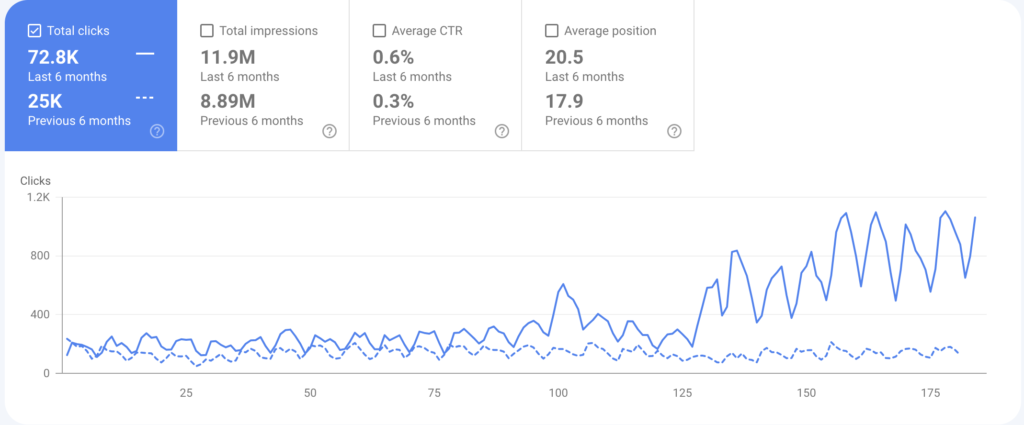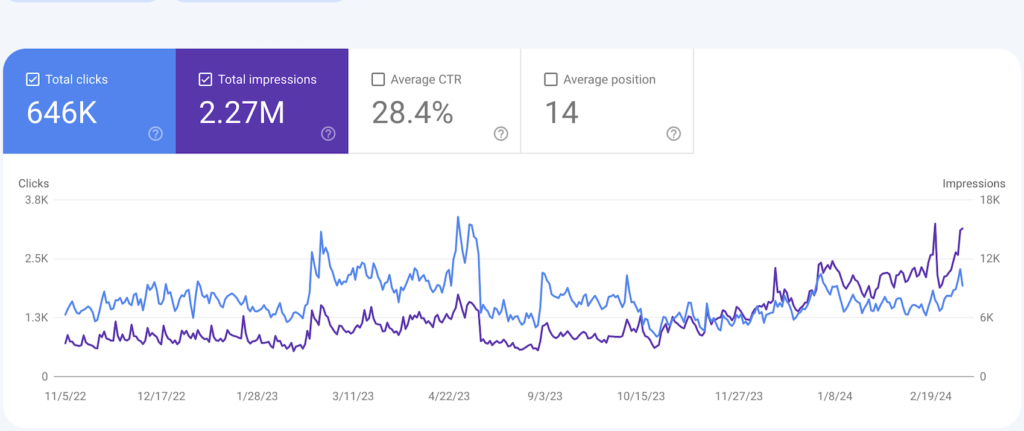
- Remarkable progress unfolds with https://spin-dogs.net for happier, healthier companions
- Understanding the Root Causes of Canine Spinning
- The Role of Environmental Factors
- Strategies for Addressing Canine Spinning: A Multifaceted Approach
- Creating a Calm and Predictable Environment
- The Importance of Professional Guidance and Support
- Recognizing When to Seek Veterinary Intervention
- Addressing Anxiety-Related Spinning Through Counterconditioning and Desensitization
- Beyond Behavior Modification: Creating a Long-Term Wellbeing Plan
Remarkable progress unfolds with https://spin-dogs.net for happier, healthier companions
In the realm of canine companionship, ensuring the wellbeing of our four-legged friends is paramount. A significant aspect of this involves addressing potential behavioral issues, and finding solutions that promote a harmonious relationship between pets and their owners. Many dog owners face challenges like excessive spinning, a repetitive behavior that can be distressing for both the animal and those around it. Fortunately, resources like https://spin-dogs.net offer a dedicated approach to understanding and alleviating this specific problem, providing insights and strategies for positive change. This specialized focus differentiates it from generalized dog training advice.
Dealing with compulsive behaviors requires patience, understanding, and a tailored approach. Simple commands and generic training techniques often prove ineffective when tackling ingrained patterns like excessive spinning. The core philosophy behind effective intervention revolves around identifying the underlying causes of the behavior – whether it's anxiety, boredom, medical concerns, or a learned habit – and addressing those root issues rather than merely suppressing the symptom. Spinning, while seemingly harmless, can escalate into a self-destructive cycle if left unaddressed, impacting a dog’s quality of life and creating stress within the household. This is where specialized resources are invaluable.
Understanding the Root Causes of Canine Spinning
Canine spinning isn't merely a quirky habit; it's frequently a manifestation of deeper underlying issues. Identifying the specific trigger is the first critical step towards effective intervention. Anxiety, perhaps stemming from separation, loud noises, or changes in the environment, is a common culprit. Dogs experiencing anxiety may engage in repetitive behaviors as a coping mechanism, offering a temporary sense of control or comfort. Boredom, particularly in intelligent breeds with high energy levels, can also lead to spinning, as the dog seeks to occupy its mind and expend excess energy. A lack of mental stimulation and insufficient physical activity can contribute significantly to this problem. Medical conditions, such as cognitive dysfunction syndrome (CDS) in older dogs or neurological issues, should also be ruled out as potential causes through veterinary examination. Furthermore, some dogs develop spinning as a learned behavior, initially triggered by a specific event or sensation and then perpetuated through reinforcement, whether intentional or unintentional.
The Role of Environmental Factors
The environment plays a crucial role in both triggering and exacerbating spinning behaviors. Stressful environments, characterized by instability, unpredictable events, or a lack of safe spaces, can heighten a dog’s anxiety levels and increase the likelihood of compulsive behaviors. Changes in routine, such as moving to a new home, welcoming a new family member (human or animal), or alterations in work schedules, can also disrupt a dog's sense of security and trigger spinning. Ensuring a stable, predictable, and enriching environment is therefore paramount. This includes providing a comfortable and secure resting place, regular exercise, mental stimulation through puzzle toys and training sessions, and a consistent daily routine. Owners should also be mindful of potential environmental triggers, such as loud noises or unfamiliar visitors, and take steps to minimize their impact on the dog.
| Potential Cause | Behavioral Manifestation |
|---|---|
| Anxiety | Rapid, repetitive spinning, often accompanied by pacing or panting. |
| Boredom | Spinning interspersed with other repetitive behaviors like licking or chewing. |
| Medical Condition | Sudden onset of spinning, potentially accompanied by disorientation or other neurological signs. |
| Learned Behavior | Spinning triggered by specific cues or situations. |
Understanding these nuances is key to implementing effective strategies and helping dogs break free from the cycle of compulsive spinning. Resources, like those offered on https://spin-dogs.net, offer detailed insight into these complexities.
Strategies for Addressing Canine Spinning: A Multifaceted Approach
Successfully addressing canine spinning requires a comprehensive and individualized approach. There’s no one-size-fits-all solution, as the most effective strategy will depend on the underlying cause of the behavior. Initially, a thorough veterinary examination is essential to rule out any underlying medical conditions that could be contributing to the spinning. If medical causes are excluded, the focus should shift to behavioral modification techniques. These techniques often involve redirecting the dog’s attention when it begins to spin, offering an alternative activity or command to disrupt the behavior. Positive reinforcement methods, such as rewarding the dog for calm behavior, are far more effective than punishment, which can exacerbate anxiety and worsen the problem. Environmental enrichment is also crucial, providing the dog with ample opportunities for physical exercise and mental stimulation. This can include daily walks, playtime with toys, puzzle feeders, and training sessions.
Creating a Calm and Predictable Environment
Establishing a calm and predictable environment is fundamental to reducing anxiety and minimizing the triggers for spinning. This involves maintaining a consistent daily routine for feeding, exercise, and playtime. Providing the dog with a safe and comfortable “den” – a quiet space where it can retreat when feeling stressed or overwhelmed – is also beneficial. Minimizing exposure to stressful stimuli, such as loud noises or unfamiliar visitors, can also help. When exposure to unavoidable stressors is necessary, gradually desensitizing the dog to the trigger through controlled exposure and positive reinforcement can be effective. Consistency and patience are key throughout the process. It's vital to remember that modifying ingrained behaviors takes time and effort, and setbacks are to be expected. Owners should avoid scolding or punishing their dogs for spinning, as this can increase anxiety and worsen the problem. Resources like https://spin-dogs.net emphasize the importance of compassionate and understanding approaches.
- Identify the triggers: Carefully observe when the spinning occurs and what precedes it.
- Redirect the behavior: Interrupt the spinning with a command or alternative activity.
- Positive reinforcement: Reward calm behavior.
- Environmental enrichment: Provide plenty of exercise and mental stimulation.
- Veterinary consultation: Rule out underlying medical conditions.
A holistic approach that addresses both the behavioral and environmental aspects of spinning is most likely to yield positive results.
The Importance of Professional Guidance and Support
While many owners can implement basic behavioral modification techniques on their own, seeking professional guidance from a qualified dog trainer or veterinary behaviorist is often invaluable, particularly in cases of severe or persistent spinning. A professional can accurately diagnose the underlying cause of the behavior and develop a customized treatment plan tailored to the dog’s specific needs. They can also provide ongoing support and guidance, helping owners navigate the challenges of behavioral modification and address any setbacks that may arise. A veterinary behaviorist, in particular, has specialized training in the diagnosis and treatment of animal behavioral disorders and can prescribe medication if necessary. Choosing a qualified professional is crucial. Look for trainers who use positive reinforcement methods and avoid those who advocate for punishment-based techniques. A good trainer will also be willing to collaborate with your veterinarian to ensure a coordinated approach to treatment.
Recognizing When to Seek Veterinary Intervention
Certain signs warrant immediate veterinary attention. Sudden onset of spinning, especially if accompanied by other neurological symptoms such as disorientation, head tilting, or loss of balance, could indicate a serious medical condition requiring prompt diagnosis and treatment. Similarly, if the spinning is severe, causing the dog to injure itself or interfere with its ability to function normally, veterinary intervention is essential. If behavioral modification attempts are unsuccessful after a reasonable period of time, or if the spinning is worsening despite intervention, seeking professional guidance from a veterinary behaviorist is recommended. They can rule out underlying medical causes, assess the severity of the behavioral problem, and develop a more comprehensive treatment plan that may include medication alongside behavioral therapy.
- Schedule a veterinary check-up to rule out medical causes.
- Consult with a certified dog trainer or veterinary behaviorist.
- Implement a consistent behavioral modification plan.
- Monitor the dog's progress and adjust the plan as needed.
- Seek medication if recommended by a veterinary behaviorist.
Proactive and informed intervention is key to improving the quality of life for dogs exhibiting spinning behaviors.
Addressing Anxiety-Related Spinning Through Counterconditioning and Desensitization
For dogs whose spinning is rooted in anxiety, counterconditioning and desensitization are particularly powerful techniques. Counterconditioning involves changing the dog's emotional response to a trigger by associating it with something positive. For example, if a dog spins when visitors arrive, you might start by having a friend briefly appear at the door, then immediately offer the dog a high-value treat. This gradually teaches the dog to associate the arrival of visitors with a positive experience, lessening the anxiety that triggers the spinning. Desensitization involves gradually exposing the dog to the trigger at a low intensity, slowly increasing the intensity as the dog becomes more comfortable. This process helps the dog learn to tolerate the trigger without experiencing anxiety. These techniques require patience and consistency, and it’s often best to work under the guidance of a qualified professional to ensure they are implemented correctly.
These methods are about rebuilding a dog’s emotional association with the specific circumstances. It’s important to move at the dog's pace and avoid overwhelming them with exposure. Recognizing subtle signs of anxiety, such as lip licking, yawning, or whale eye (showing the whites of the eyes), is crucial for adjusting the intensity of the exposure accordingly. Resources like those available at https://spin-dogs.net often provide detailed guidance on implementing these techniques effectively.
Beyond Behavior Modification: Creating a Long-Term Wellbeing Plan
Successfully addressing canine spinning isn't simply about stopping the behavior; it's about creating a long-term wellbeing plan that supports the dog's physical and emotional health. This involves ongoing environmental enrichment, regular exercise, and consistent mental stimulation. It also means proactively managing stress and minimizing exposure to anxiety-provoking situations whenever possible. Owners should also prioritize building a strong bond with their dogs through positive interactions, training sessions, and quality playtime. Consider enrichment activities such as scent work, puzzle toys, and interactive games to keep the dog mentally engaged and prevent boredom. Regular veterinary check-ups are also essential for monitoring the dog’s overall health and addressing any medical concerns that could contribute to anxiety or behavioral problems. A well-rounded approach that focuses on preventative care and ongoing support is the most effective way to ensure a happy and fulfilling life for your canine companion. A case study involving a rescue dog with severe spinning issues highlights the power of this comprehensive approach; after combining behavioral therapy, environmental enrichment, and a consistent routine, the dog showed a significant reduction in spinning and exhibited a marked improvement in overall quality of life.
Ultimately, addressing canine spinning requires commitment, patience, and a deep understanding of the individual dog’s needs. By combining professional guidance, behavioral modification techniques, and a proactive wellbeing plan, owners can help their canine companions overcome this challenging behavior and live happier, healthier lives. Resources like those provided by dedicated organizations are instrumental in navigating this journey successfully.